+86-13250787324

Vitamin C Tablets


Inch Biotech: Your Professional Vitamin C Tablets Manufacturer!

Guangzhou Inch Biotech Co., Ltd. was established in 2010 and specializes in natural health products and vitamins. With nearly 15 years of R&D and production experience, we are becoming a leader in the field of dietary supplements. Our products are available in various forms, including soft capsules, hard capsules, tablets, effervescent tablets, powders, teas, gummies, liquids, etc. The majority of users can find the products they need.

8
Our Advantages

Professional Production Workshop

Our factory covers an area of more than 20,000 square meters and is equipped with a GMP standard workshop, a 100,000-level clean room, and a laboratory of more than 600 square meters, which can complete professional production operations.

Large-Scale Manufacturing

Our annual output of soft capsules exceeds 2 billion, hard capsules exceed 100 million, and tablets exceed 200 million. The annual output of powders, teas, and gummies is more than 100 tons.


Strict Quality Management

Production and operations are organized in strict accordance with the ISO9001:2015 quality management system and have obtained various certificates. Advanced three-dimensional mixers, capsule filling machines, capsule polishing machines, rotary tablet presses, drying ovens, etc. ensure that every production link meets regulations.

Broad Market

Our company is not only established early but also cooperates with famous brands and has more than 5,000 mature product formulas, allowing us to help more than 6,000 customers create their brands with our products.


Introduction to Vitamin C Tablets

The Vitamin C of Vitamin C Tablets is an antioxidant that helps protect your cells against the effects of free radicals — molecules produced when your body breaks down food or is exposed to tobacco smoke and radiation from the sun, X-rays or other sources. Free radicals might play a role in heart disease, cancer and other diseases.
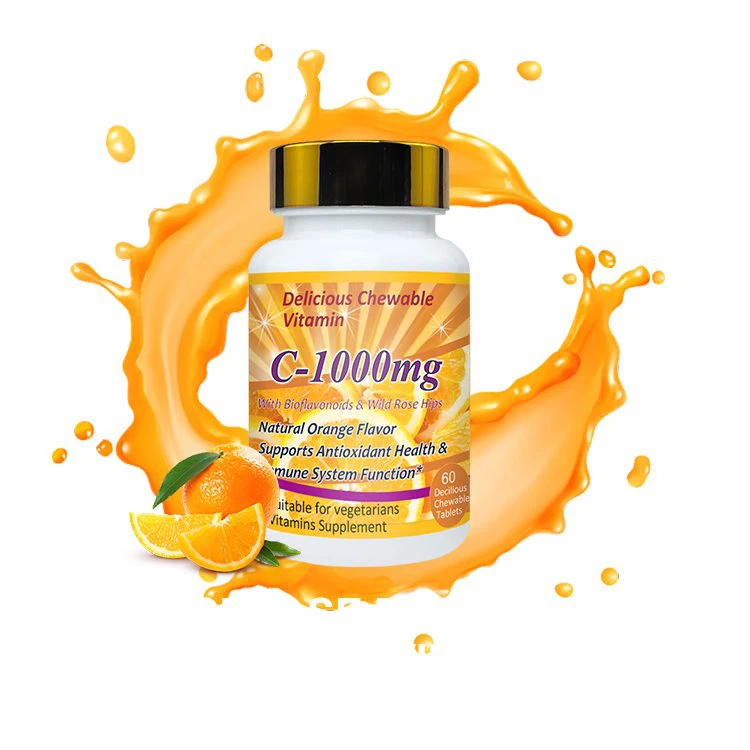
Vitamine C Comprine 1000mg Chewable Tablets
Benefits of Vitamin C Tablets
 
 
Improves Skin Health

Some of the hallmark signs of a vitamin C deficiency are delayed wound healing and fragile skin. The main reason that vitamin C is so critical for skin health is because of its relationship to collagen. Collagen is a key component of connective tissue, and vitamin C is necessary for collagen formation. So, when you don’t consume enough vitamin C, collagen deteriorates which leaves your skin in bad shape. Vitamin C also works with vitamin E, another antioxidant, to prevent damage to your skin from harmful UV rays.

 
Boosts Immunity

Vitamin C’s role in skin health also has immune benefits, as the skin is one of our body’s defense systems against pathogens. However, it doesn’t end there. Vitamin C also plays a role in both innate and adaptive immunity, our bodies’ first response and targeted response to specific pathogens, respectively. Vitamin C’s antioxidant properties prevent oxidative damage to healthy cells. Specifically in athletes, those exposed to extreme cold temperatures, and those on the border of vitamin C deficiency, consuming at least 200 mg of vitamin C per day may reduce risk of the common cold. For the general population, vitamin C supplementation hasn’t been shown to prevent the common cold, but it may reduce the duration of illness and severity of symptoms if taken preventatively (as opposed to after development of the cold).

 
May Reduce Risk for Cardiovascular Disease

Since oxidative damage— what occurs in your body when there are too many unstable molecules called free radicals in the body and not enough antioxidants to get rid of them—is thought to be a cause of cardiovascular disease, antioxidants like vitamin C may help reduce risk of cardiovascular disease. A 2020 study found that vitamin C supplementation of at least 500 mg per day was linked with reduced blood pressure levels. However, many other studies have found conflicting results on vitamin C’s role in reducing cardiovascular disease risk, so more studies are necessary to further explore this connection.

 
Helps Absorb Nonheme Iron

Vitamin C plays an important role in enhancing absorption of nonheme iron, the kind that comes from4 plant foods. If you’re at risk of iron deficiency, especially if you eat a plant-based diet, adding sources of vitamin C to your meals could help you better absorb the iron in foods like beans, seeds, and nuts.


Application of Vitamin C Tablets


Vitamin C Chewable Tablets 1000 Mg For Skin

01.Heart Disease

Results of scientific studies on whether vitamin C is helpful for preventing heart attack or stroke are mixed. Vitamin C doesn't lower cholesterol levels or reduce the overall risk of heart attack, but evidence suggests it may help protect arteries against damage. Some studies -- though not all -- suggest that vitamin C can slow down the progression of atherosclerosis (hardening of the arteries). It helps prevent damage to LDL ("bad") cholesterol, which then builds up as plaque in the arteries and can cause heart attack or stroke. Other studies suggest that vitamin C may help keep arteries flexible. In addition, people who have low levels of vitamin C may be more likely to have a heart attack, stroke, or peripheral artery disease, all potential results of having atherosclerosis. Peripheral artery disease is the term used to describe atherosclerosis of the blood vessels to the legs. This can lead to pain when walking, known as intermittent claudication. But there is no evidence that taking vitamin C supplements will help. The best thing to do is get enough vitamin C through your diet. That way, you also get the benefit of other antioxidants and nutrients contained in food. If you have low levels of vitamin C and have trouble getting enough through the foods you eat, ask your doctor about taking a supplement.

02.High Blood Pressure

Population-based studies (which involve observing large groups of people over time) suggest that people who eat foods rich in antioxidants, including vitamin C, have a lower risk of high blood pressure than people who have poorer diets. Eating foods rich in vitamin C is important for your overall health, especially if you are at risk for high blood pressure. The diet physicians most frequently recommend for treatment and prevention of high blood pressure, known as the DASH (Dietary Approaches to Stop Hypertension) diet, includes lots of fruits and vegetables, which are loaded with antioxidants.

03.Common Cold

Despite the popular belief that vitamin C can cure the common cold, scientific evidence doesn't support that theory. Taking vitamin C supplements regularly (not just at the beginning of a cold) produces only a small reduction in the duration of a cold (about 1 day). The only other piece of evidence supporting vitamin C for preventing colds comes from studies examining people exercising in extreme environments (athletes, such as skiers and marathon runners, and soldiers in the Arctic). In these studies, vitamin C did seem to reduce the risk of getting a cold.

04.Cancer

Results of many population-based studies suggest that eating foods rich in vitamin C may be associated with lower rates of cancer, including skin cancer, cervical dysplasia (changes to the cervix which may be cancerous or precancerous, picked up by pap smear), and, possibly, breast cancer. But these foods also contain many beneficial nutrients and antioxidants, not only vitamin C, so it's impossible to say for certain that vitamin C protects against cancer. Taking vitamin C supplements, on the other hand, has not been shown to have any helpful effect. In addition, there is no evidence that taking large doses of vitamin C once diagnosed with cancer will help your treatment. In fact, some doctors are concerned that large doses of antioxidants from supplements could interfere with chemotherapy medications. More research is needed. If you are undergoing chemotherapy, talk to your doctor before taking vitamin C or any supplement.

05.Osteoarthritis

Vitamin C is essential for the body to make collagen, which is part of normal cartilage. Cartilage is destroyed in osteoarthritis (OA), putting pressure on bones and joints. In addition, some researchers think free radicals -- molecules produced by the body that can damage cells and DNA -- may also be involved in the destruction of cartilage. Antioxidants such as vitamin C appear to limit the damage caused by free radicals. However, no evidence suggests that taking vitamin C supplements will help treat or prevent OA. What the evidence does show is that people who eat diets rich in vitamin C are less likely to be diagnosed with arthritis. Taking nonsteroidal anti-inflammatory drugs can lower your levels of vitamin C. If you take these drugs regularly for OA, you might want to take a vitamin C supplement.

06.Asthma

Studies are mixed when it comes to the effect of vitamin C on asthma. Some show that low levels of vitamin C are more common in people with asthma, leading some researchers to think that low levels of vitamin C might increase the risk for this condition. Other studies seem to show that vitamin C may help reduce symptoms of exercise-induced asthma.
Tips for Vitamin C Tablets
 
1

Follow the Recommended Dosage
Read and follow the dosage instructions provided on the product packaging or as directed by your healthcare professional. Stick to the recommended dosage to ensure you are not taking too little or too much vitamin C.

2

Take with Food
Taking vitamin C tablets with food can help enhance absorption and reduce the risk of stomach upset. It's particularly beneficial to take them with a meal that contains some dietary fat, as vitamin C is a fat-soluble vitamin.

3

Stay Hydrated
Drink an adequate amount of water when taking vitamin C tablets. Hydration can improve the absorption and distribution of nutrients in the body.

4

Avoid Taking with Iron Supplements
If you are taking iron supplements, it's generally recommended to avoid taking them simultaneously with vitamin C tablets. Vitamin C can enhance iron absorption, which may be beneficial for individuals with iron deficiency, but it can interfere with the absorption of certain forms of iron supplements. Follow the guidance of your healthcare professional regarding the timing of iron and vitamin C supplementation.

5

Consider Split Dosing
If you are taking higher doses of vitamin C, consider splitting the dosage throughout the day. For example, instead of taking a single large dose, you can divide it into two or three smaller doses taken at different times. This can help maintain more stable vitamin C levels in the body.

6

Be Consistent
To experience the potential benefits of vitamin C supplementation, it's important to be consistent with your intake. Taking vitamin C tablets regularly as recommended can support consistent levels of vitamin C in your body.

7

Consult Your Healthcare Professional
If you have any underlying medical conditions, are pregnant or breastfeeding, or are taking medications, it's advisable to consult with your healthcare professional before starting vitamin C supplementation. They can provide personalized advice and guidance based on your specific needs and circumstances.

Our Certificate
 

Our company has obtained GMP, CE, MSDS, ISO, HACCP, COA and other certificates, which means that our production and manufacturing processes comply with good manufacturing practices, and we can provide product-specific analysis and test results to allow users to obtain safe and reliable supplements agent.

11


Ultimate FAQ Guide to Vitamin C Tablets
 

Q: What does vitamin C tablets do?

A: Vitamin C, also known as ascorbic acid, has several important functions. These include: helping to protect cells and keeping them healthy. maintaining healthy skin, blood vessels, bones and cartilage.

Q: Is 1000 mg of vitamin C too much?

A: Taking more than 2000 mg daily is possibly unsafe and may cause kidney stones and severe diarrhea. In people who have had a kidney stone, taking amounts greater than 1000 mg daily increases the risk of getting more kidney stones.

Q: What illness is caused by too little vitamin C?

A: Scurvy is a disease caused by a serious vitamin C deficiency. Not eating enough fruits and vegetables is the main cause of the disease. Left untreated, scurvy can lead to bleeding gums, loosened teeth and bleeding under your skin.

Q: When should I take vitamin C tablets?

A: The best way to take vitamin C supplements is 2 - 3 times per day, with meals, depending on the dosage. Some studies suggest that adults should take 250 - 500 mg twice a day for any benefit.

Q: What are the available forms of Vitamin C?

A: You can purchase either natural or synthetic vitamin C, also called ascorbic acid, in a variety of forms. Tablets, capsules, and chewables are probably the most popular forms, but vitamin C also comes in powdered crystalline, effervescent, and liquid forms. Vitamin C comes in doses ranging from 25 - 1,000 mg. "Buffered" vitamin C is also available if you find that regular ascorbic acid upsets your stomach. An esterified form of vitamin C is also available, which may be easier on the stomach for those who are prone to heartburn.

Q: Who can take Vitamin C tablets?

A: Vitamin C inadequacy can occur with intakes that fall below the RDA but are above the amount required to prevent overt deficiency (approximately 10 mg/day). The following groups are more likely than others to be at risk of obtaining insufficient amounts of vitamin C.
Smokers and Passive Smokers
Studies consistently show that smokers have lower plasma and leukocyte vitamin C levels than nonsmokers, due in part to increased oxidative stress. Exposure to secondhand smoke also decreases vitamin C levels. Although the IOM was unable to establish a specific vitamin C requirement for nonsmokers who are regularly exposed to secondhand smoke, these individuals should ensure that they meet the RDA for vitamin C.
Individuals with Limited Food Variety
Although fruits and vegetables are the best sources of vitamin C, many other foods have small amounts of this nutrient. Thus, through a varied diet, most people should be able to meet the vitamin C RDA or at least obtain enough to prevent scurvy. People who have limited food variety—including some elderly, indigent individuals who prepare their own food; people who abuse alcohol or drugs; food faddists; people with mental illness; and, occasionally, children—might not obtain sufficient vitamin C.
People with Malabsorption and Certain Chronic Diseases
Some medical conditions can reduce the absorption of vitamin C and/or increase the amount needed by the body. People with severe intestinal malabsorption or cachexia and some cancer patients might be at increased risk of vitamin C inadequacy. Low vitamin C concentrations can also occur in patients with end-stage renal disease on chronic hemodialysis.

Q: What is Vitamin C?

A: Vitamin C, also known as L-ascorbic acid, is a water-soluble vitamin that is found naturally in a variety of food sources, including many types of fruits and vegetables, such as red peppers, oranges and grapefruits. Because the body is unable to produce vitamin C on its own, it’s considered an essential nutrient, meaning that it must be obtained from foods or supplements.

Q: Can you have too much vitamin c?

A: Consuming high amounts of vitamin C is unlikely to be harmful. This is because once you consume a certain amount, any excess vitamin C is excreted through the urine. However, negative side effects can occur, especially for intakes over 3,000 milligrams per day.
Possible adverse effects of high vitamin C intake may include:
● Diarrhea
● Increased risk of kidney stones for those with kidney disease or a history of kidney stones
● Iron overload in people with hemochromatosis (a genetic condition that increases iron absorption)

Q: What mode of vitamin C is best absorbed?

A: Vitamin C that comes from food has the most benefits. But overall, when comparing types of vitamin C supplements, the nutrient form matters more than the supplement type (capsule, gummy, chewable, etc.). Based on the results from this study, liposomal vitamin C may have the highest ability to deliver vitamin C to the bloodstream. When you pair vitamin C with bioflavonoids, you also maximize the support you get from the added components.

Q: How to take vitamin C?

A: Supplements are another means of meeting your vitamin C needs. These come in a variety of forms including capsule, powder, gummy, chewable, and liquid. Vitamin C can be taken any time of day, but spreading it out or taking it with food may reduce the likelihood of gastrointestinal side effects caused by its high acidity level.

Q: Is Vitamin C safe?

A: Since vitamin C is a water-soluble vitamin, there is a low risk of toxicity. When you consume too much of it, your body typically excretes the excess in your urine rather than holding on to it. Some studies have suggested that excess intake of vitamin C could contribute to other health issues like increased risk for cardiovascular disease mortality, excess iron absorption, increased oxidative damage, and higher risk of kidney stones; however, these studies were mostly inconclusive or done in vitro–on test tubes–rather than on actual people. For iron absorption, the issue was only seen in those with hereditary hemochromatosis. If you are undergoing chemotherapy or radiation treatment or taking statins, it’s recommended you check with a healthcare provider before taking a vitamin C supplement.

Q: How is Vitamin C made?

A: If you want to know how Vitamin C is made, look no farther than the nearest corn field. The vast majority of supplemental Vitamin C as Ascorbic Acid is synthesized from corn-derived L-sorbose, as are many of the ascorbate salts. “Naturally” sourced Vitamin C in the supplemental form come from multiple sources including rose hips and/or acerola fruit.

Q: What does vitamin C do in our bodies?

A: Ascorbate (vitamin C) is a reducing sugar (has a reactive ene-diol structure) that is involved in biochemical processes, such as hydroxylation of proline and lysine utilized in the formation of collagen and healthy connective tissue. Ascorbate is involved in many other vital functions such as the mobilization of iron, competence of the immune system, and as an antioxidant for scavenging of reactive free radicals.

Q: Why are there color variations in the different vitamin C products, and are they safe to take?

A: Most natural vitamin C products vary in color from batch-to-batch and bottle-to-bottle. There are normally variations in the color of the raw material used during manufacturing. This is due to natural color variations in the source of the vitamin C. Generally, you will find C supplements to range in color from off-white to light tan to light gray. Additional color variation can be introduced by other ingredients in a formula, such as citrus bioflavonoids, etc.

Q: Can Vitamin C tablets help reduce inflammation?

A: Vitamin C (500 mg twice daily) has potential effects in alleviating inflammatory status by reducing hs-CRP, IL-6, and FBG in hypertensive and/or diabetic obese patients.

Q: Can Vitamin C tablets support heart health?

A: Some studies -- though not all -- suggest that vitamin C can slow down the progression of atherosclerosis (hardening of the arteries). It helps prevent damage to LDL ("bad") cholesterol, which then builds up as plaque in the arteries and can cause heart attack or stroke.

Q: Can Vitamin C tablets enhance iron absorption?

A: Vitamin C is the only dietary constituent other than animal tissue that has been shown to promote iron absorption. Iron absorption occurs predominantly in the duodenum and upper jejunum, where ferrous iron can be transported into small intestine mucosal epithelial cells.

Q: What medications should you not take vitamin C with?

A: Aluminum-containing antacids -- Vitamin C can increase the amount of aluminum your body absorbs, which could cause the side effects of these medications to be worse.

Q: Are Vitamin C tablets safe for pregnant and breastfeeding women?

A: According to the Office of Dietary Supplements (ODS), pregnant women over 19 years old should get 85 milligrams of vitamin C daily, while breastfeeding women over 19 should get 120 milligrams daily. These numbers are slightly lower — 80 and 155, respectively — if you're under 19.

Q: Can children take Vitamin C tablets?

A: Due to its easy availability, some parents may be tempted to give their children Vitamin C supplements. But it is best to stick to natural sources of this vitamin to prevent children from having more Vitamin C than they need. An overdose of Vitamin C can lead to diarrhea, nausea, vomiting, and stomach cramps.

We're professional vitamin c tablets suppliers in China, specialized in providing high quality customized service. Please feel free to buy or wholesale the best vitamin c tablets for sale here and get quotation from our factory. For price consultation, contact us.

Vitamin C Tablets, vitamin c tablets for glowing skin
Contact Supplier